
Discovering the Roots of Kanawha City
Nestled along the southern banks of the Kanawha River, Kanawha City is one of Charleston, West Virginia’s most character-rich neighborhoods. Ask any longtime resident and you’ll discover stories steeped in tradition, resilience, and community pride. While it may seem unassuming to passersby, Kanawha City’s streets have witnessed over a century of change—transforming from farmland and quiet riverbanks into a vibrant residential and commercial hub.
Origins and Naming: The Heartbeat of the Kanawha
Kanawha City owes its name to the river it borders—the Kanawha River, itself named after the indigenous people and the “Ka-na-wha” meaning “place of white stones.” Before development, this part of southeastern Charleston was largely rural, with rich farmland and the occasional river dock serving as its main features. The expansion of Charleston’s city limits in the early 20th century set the stage for Kanawha City’s transformation.
Throughout the 1920s and 30s, as Charleston grew eastward, Kanawha City began receiving more attention from developers. The introduction of a streetcar line running along MacCorkle Avenue, the neighborhood’s main artery, made the area attractive to those wanting to escape the hustle of downtown but remain close to its amenities. Today, MacCorkle Avenue SE remains Kanawha City’s bustling thoroughfare, connecting historic homes, locally owned businesses, and community landmarks.
Notable Landmarks and Heritage Sites
The neighborhood’s history can be glimpsed in its structures and public spaces. Some highlights include:
- The Kanawha City Community Center – Once a bustling spot for neighborhood events and recreation, the community center remains a hub for public gatherings and sports, a testament to Kanawha City’s commitment to togetherness.
- The University of Charleston – Formerly Morris Harvey College, this institution sits on the riverbank at the western end of the neighborhood. Its stately campus and classic columns have defined the skyline since the 1940s, drawing students from across the region.
- Memorial Hospital – This iconic hospital served as a critical healthcare provider to the entire Charleston area for decades, reinforcing Kanawha City’s place as a vital part of the community network. While the hospital has since undergone transformations and changes in ownership, its legacy endures.
- Shamrock Bowl – This vintage bowling alley on 57th Street is a beloved local spot, echoing with the laughter and friendly competition of generations.
Strolling along MacCorkle Avenue, with its mixture of 20th-century storefronts and the persistent energy of local business, you feel the echoes of decades past—mom-and-pop groceries, longtime diners, and service stations that defined the city’s mid-century golden age.
The Growth and Changes Over the Decades
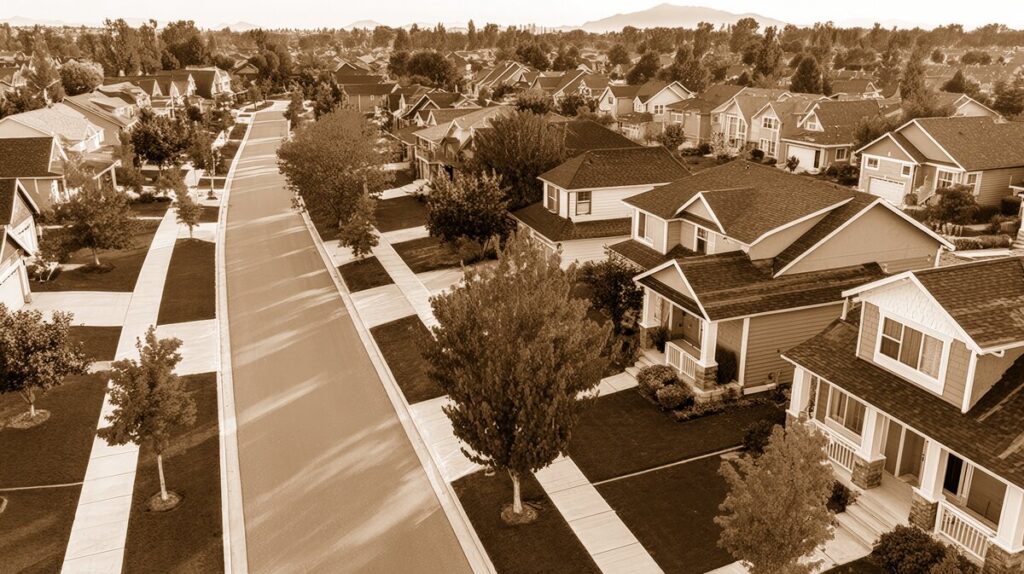
Kanawha City’s story is one of adaptable spirit and evolution. During the mid-20th century, its population blossomed as GI Bill veterans sought homes to raise their families after World War II. Post-war bungalows, ranch-style houses, and leafy yards appeared along the neighborhood’s grid of streets—41st through 66th Streets—with each block developing its own identity.
As the decades passed, new waves of residents introduced fresh perspectives while honoring tradition. The growth of commercial activity along MacCorkle Avenue brought everything from car dealerships to doctors’ offices, banks, and casual eateries. Today, favorite local restaurants like Leonoro’s Spaghetti House and Suzi’s Hamburgers continue to serve as gathering spots for families and friends.
Despite changes, Kanawha City has kept its residential heart. Lovely brick homes, well-tended gardens, and quiet side streets define its blocks, offering a peaceful contrast to the city’s more urban center. Neighbors still greet each other by name, and holiday block parties and porch-sitting remain cherished traditions.
Parks, Recreation, and Community Spirit
Nature is always close at hand in Kanawha City. Daniel Boone Park, located just across the river, offers verdant picnic spots and fishing access, drawing families spring through fall. The Kanawha River itself—visible from many front porches—remains a site for boating, kayaking, and riverside strolls.
Nearby, Magic Island, a short drive west, provides even more green space and hosts festivals and fireworks that unite all of Charleston’s neighborhoods, Kanawha City included.
Kanawha City’s community organizations—from church groups to youth sports leagues—underscore the area’s friendly, neighborly character. Volunteers come together for everything from beautification projects to bake sales, ensuring that the area maintains its welcoming atmosphere, regardless of how much the city around it grows.
Kanawha City Today: Bridging Past and Future
The present-day Kanawha City marries its heritage with energetic adaptation. Restorations of historic homes are commonplace, and ongoing commercial revitalization efforts aim to preserve the neighborhood’s special charm while inviting new energy from entrepreneurs and young families. Health care, education, and small business are still the economic backbone.
What truly gives Kanawha City its magic, however, is the pride of its people. Whether you grew up on one of its leafy streets or are just moving in, you’ll find a neighborhood eager to share its stories and traditions. Each year, Kanawha City’s storied past is honored and celebrated in small, everyday ways—the neighbor who waves from their porch; the local baker who still uses her grandmother’s recipes; the mural that brightens an old brick wall with a vision of the future.
In the Words of Residents
In the end, Kanawha City is more than a place; it’s a feeling. Longtime residents will tell you that even though the city has changed all around them, the sense of belonging here endures. As the streetlights flicker on along MacCorkle Avenue, you can almost imagine the old streetcars, the distant whistle of the riverboats, and the generations of families who have called this place home. That’s the spirit—and the promise—of Kanawha City.